


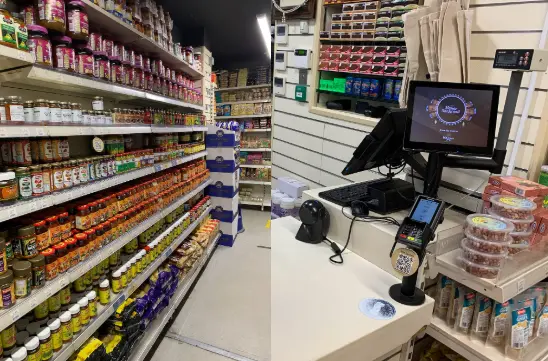
We’ve recently heard from some customers about products on our shelves marked with past “Best Before” dates, especially those in our “Clearance Sale” or “Reduced to Clear” sections. We appreciate you raising these concerns—it helps us serve you better. Let’s break this down, explain the key differences in food labeling, and share how we handle stock to keep you confident in every purchase.
Best Before vs. Expiry/Use By: What’s the Difference?
Food labels aren’t one-size-fits-all, and understanding them prevents mix-ups.
-
Best Before Dates: These indicate when a product might start to lose its optimal quality, like flavor, texture, or appearance. Think crisps going a bit stale or biscuits softening. It’s not about safety—the food remains perfectly safe to eat past this date if it looks, smells, and tastes fine. In the UK, it’s generally legal to sell products past their Best Before date, as long as they’re of satisfactory quality and fit for human consumption (check gov.uk guidance for details).
-
Expiry or Use By Dates: These are about safety. They’re for perishable items like fresh meat, dairy, or ready meals where bacteria can grow dangerously. Selling or consuming past this date risks food poisoning, so never ignore it.
The table below sums it up:
|
Label Type |
Focus |
Safety Implication |
Examples |
|
Best Before |
Quality |
Safe to eat if it seems okay |
Snacks, canned goods, biscuits |
|
Use By/Expiry |
Safety |
Do not use past this date |
Milk, yogurt, deli meats |
At Hallans, we clearly mark clearance items with Best Before dates to offer great deals on safe, high-quality food.
Our Commitment: Stringent Stock Checks and Customer-First Refunds
Rest assured, we don’t take shelf stock lightly. Our team follows strict stock rotation—using FIFO (First In, First Out)—to prioritize fresher items. We conduct regular checks to pull anything unfit, but occasionally, a Best Before item slips into clearance amid high-volume turnover.
If you’ve ever spotted a product past its Best Before date and felt concerned, bring it back. We’ve issued full refunds in every such case, no questions asked beyond verifying the product. Your trust matters more than any sale.
We’re always refining our processes based on your feedback. Have you encountered labeling confusion elsewhere? Share in the comments—we’d love to hear!


